The beginning of the year is almost always synonymous with acceleration. Calendars quickly fill up, targets are reset, and work rhythms are pushed from the very first days. The year 2026 arrives with a similar impulse—one that feels even stronger. The world is moving faster, demands continue to rise, and the space to pause feels increasingly narrow.
Yet beneath this pace, many leaders—particularly those in civil society organizations and grassroots communities—begin the year carrying fatigue that has not had the chance to recover. This fatigue is not only physical, but also emotional and mental. It comes from being constantly expected to show up, make decisions, and hold multiple responsibilities, often without space to truly be heard or restored.
It is within this context that Linkara chooses to continue moving slowly.
This choice is not a rejection of change, nor an indifference to the dynamics of our time. It is a conscious decision not to treat speed as the sole measure of progress. For us, not everything needs to be met with immediacy, and not every process can be accelerated without risking the loss of meaning, depth, and sustainability.
In our experience working alongside leaders and changemakers, speed often pushes aside something essential: reflection. We move from one agenda to the next without fully understanding what is unfolding—within ourselves, within our working relationships, or within the broader collective. Yet sustainable leadership is grounded precisely in this awareness of process.
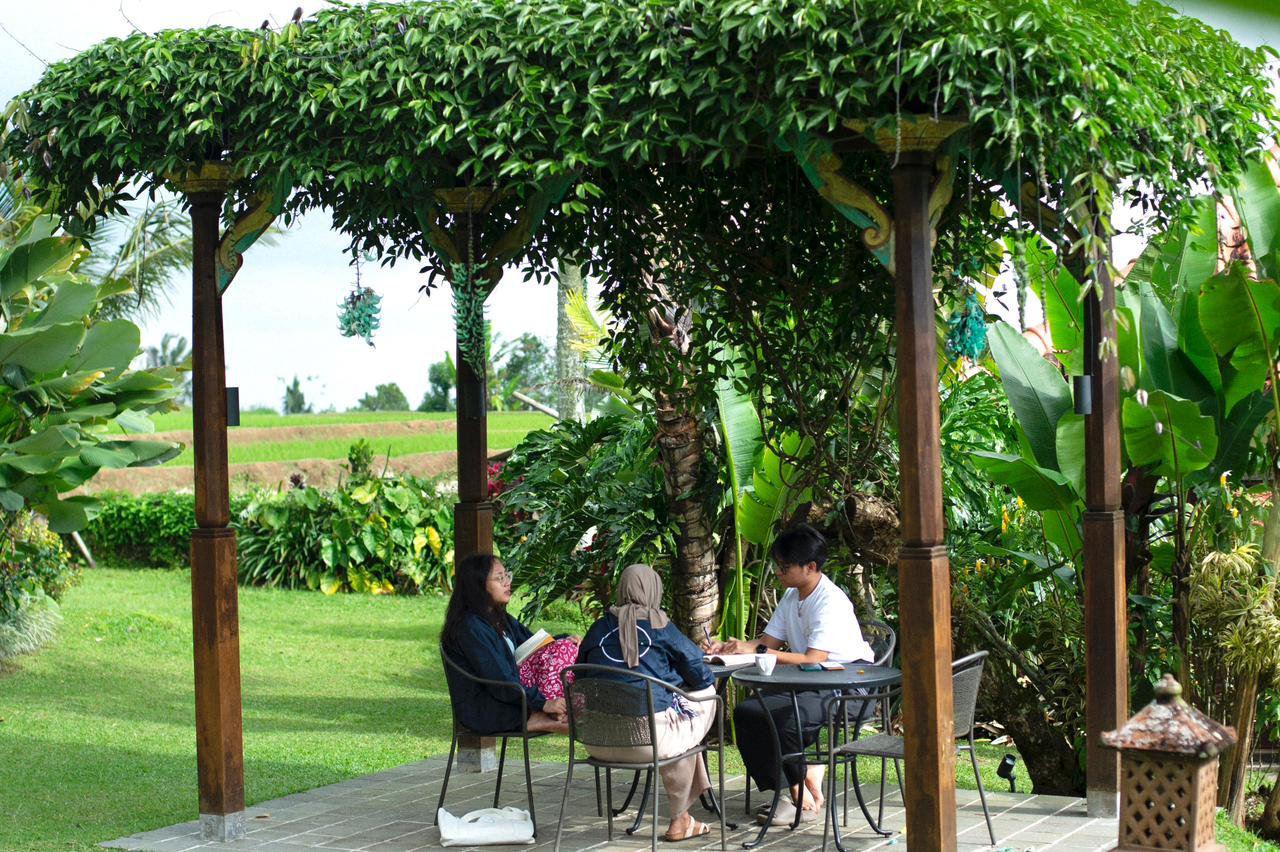
Choosing to move slowly is a way of making space for complexity. It allows leaders to pause, to acknowledge fatigue, and to recognize doubt without having to interpret them as failure. In this sense, moving slowly does not mean being passive. It is a form of responsibility—toward oneself, toward working relationships, and toward those who are held by that leadership.
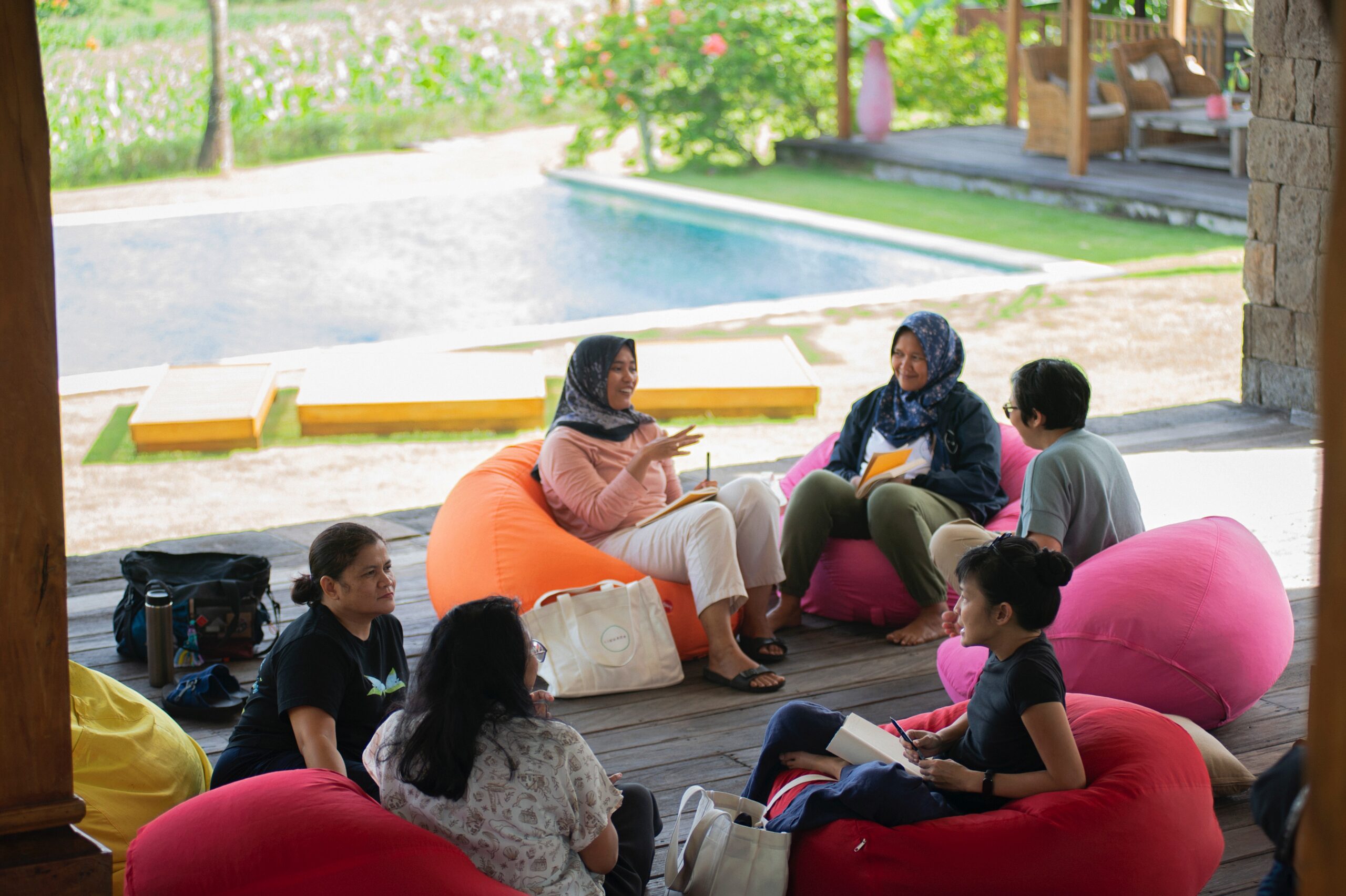
Linkara exists as a space for dialogue within this process. We do not begin with solutions or quick answers; we begin with encounters. With listening—not to rebut, but to understand. With a form of presence that does not demand performance, and does not require everyone to always appear strong.
For Linkara, strengthening and healing are not understood as pressures to become ever more resilient or productive. Strengthening and healing are about restoring a person’s rights, agency, and courage to recognize their own condition, to voice their experiences, and to determine their next steps consciously. They grow in safe spaces—where fatigue is not seen as weakness, and doubt does not need to be immediately dismissed.
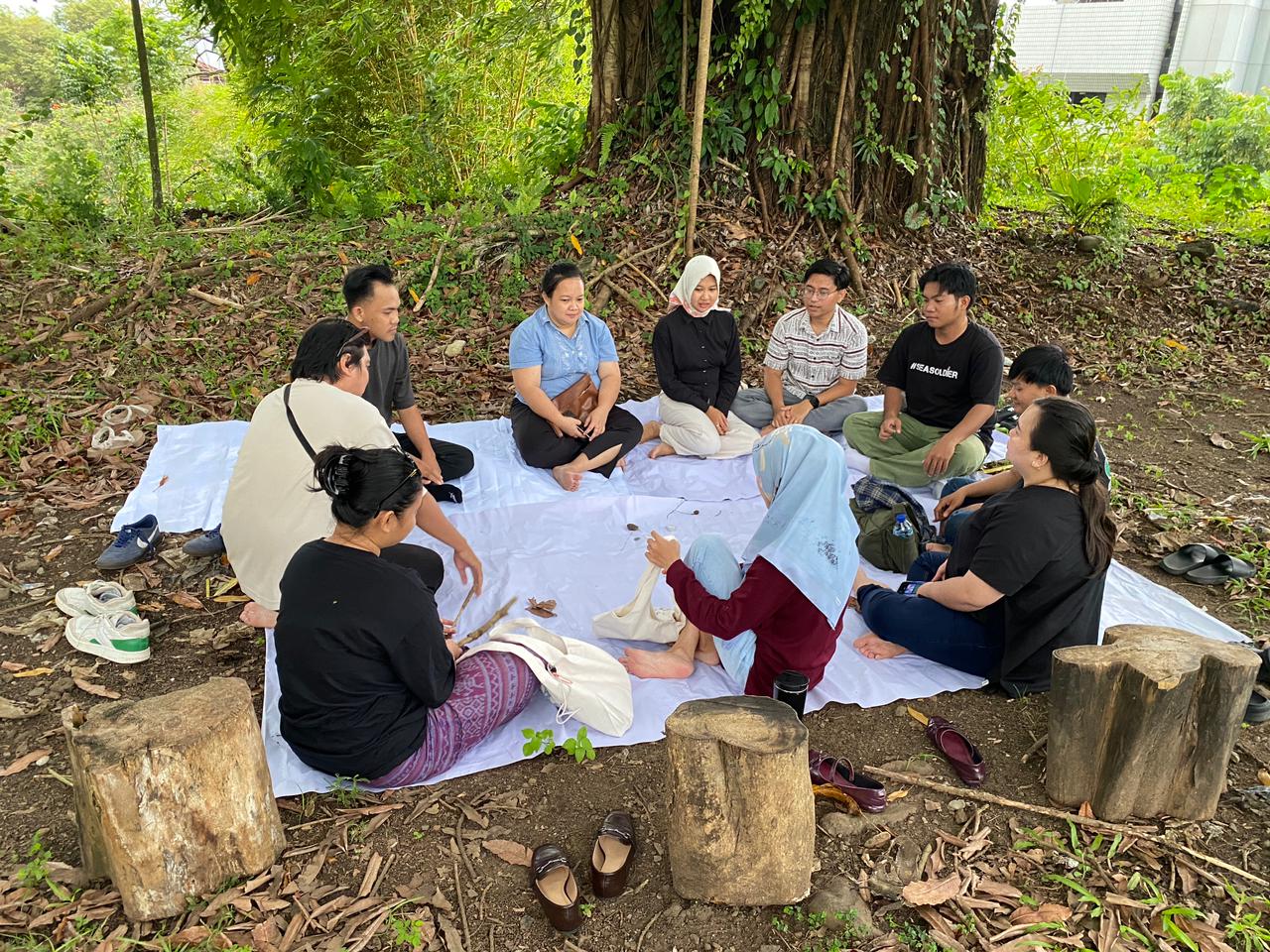
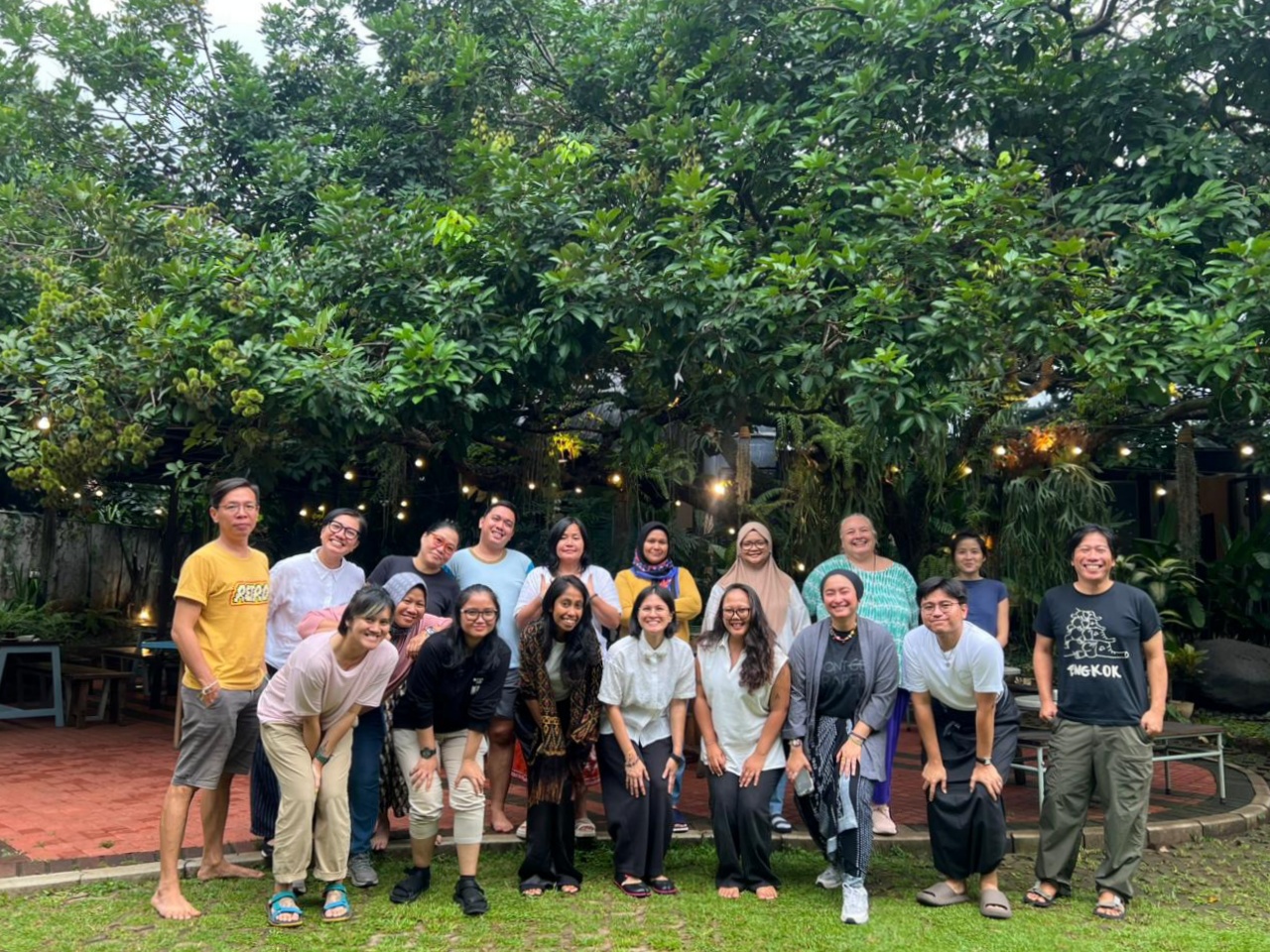
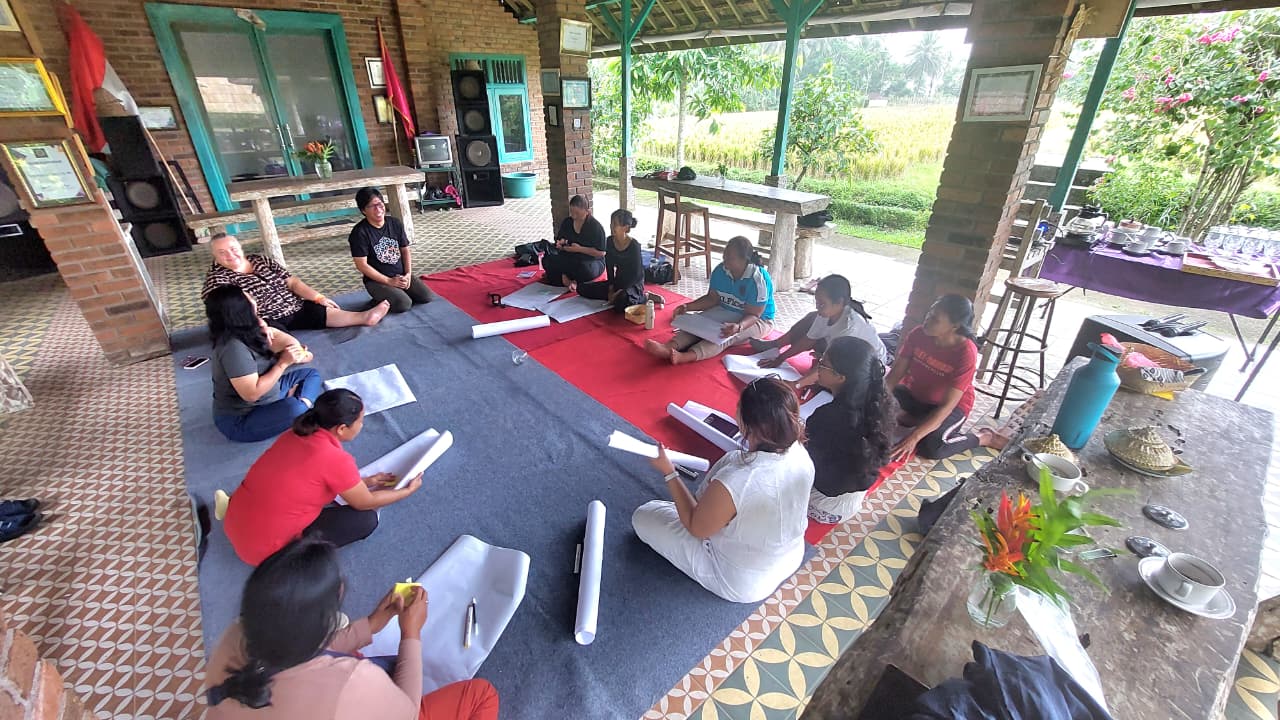
The circle-based approach used by Linkara is grounded in the belief that leadership does not grow in isolation. Many leaders experience what might be called structural loneliness: being a source of support for many others, while lacking an equivalent space for themselves. Within the circle, relationships are built on equality. There is no hierarchy of voices, and no pressure to be the most right.
When the dialogue ends, there is not always a grand conclusion. There is not always an action plan ready to be implemented. More often, what remains is a subtle shift—a slightly altered perspective, the courage to be more honest, or the sense that we are not alone. These impacts work slowly, but they take root, gradually shaping how someone returns to their roles and responsibilities.
As we enter 2026, Linkara does not offer resolutions or leadership formulas. What we offer is a space to begin the year with awareness: a space to listen, to witness, to feel, and to reconfigure how we show up—as leaders, and as human beings.
In a year that moves fast, Linkara chooses to move slowly. Because we believe it is precisely from there that leadership that is empowered, humane, and sustainable can continue to grow.
*(Laras Novalia)