Amid the many challenges facing civil society today, from organizational pressures and shifting political contexts to the growing fatigue within social movements, the question of leadership has resurfaced. Not simply about who leads, but about how leadership can continue to grow across generations.
This question became the focus of Linkara’s online dialogue titled “Rethinking Intergenerational Leadership: Cultivating Shared Leadership in Indonesian Civil Society.” The dialogue featured historian and public intellectual Hilmar Farid as the keynote speaker, alongside Linkara alumni who shared reflections on leadership practices within their respective organizations.
Leadership as a Movement Ecosystem
In his presentation, Hilmar Farid invited participants to view leadership from a broader perspective.
“Intergenerational leadership should not be seen merely as a rotation of individuals within organizations, but as part of the long-term sustainability of the civil society movement ecosystem.”
In many civil society organizations, regeneration is often understood as the process of replacing leadership figures. In practice, however, the challenge is far more complex. Organizational design, project-based rhythms of work, and donor dependencies all shape how leadership develops within movements.
Burnout as a Structural Issue
One issue that surfaced strongly during the discussion was burnout among social movement workers. Drawing from Hannah Proctor’s book Burnout: The Emotional Experience of Political Defeat, Hilmar emphasized that exhaustion within movements cannot be understood solely as an individual problem.
“Burnout is not simply about personal resilience. It often emerges from the way we design organizational work, from project timelines and administrative pressures to the mismatch between organizational calendars and political realities.”
This condition is sometimes described as “governance by spreadsheet,” where organizational rhythms are increasingly shaped by administrative and reporting logic rather than the needs of people and communities.
Within this context, Hilmar introduced the concept of patient urgency, the idea that while social struggles are indeed urgent, responding to them requires patience and long-term resilience.
Collective Knowledge and Regeneration
Beyond the rhythm of work, regeneration is often hindered by the lack of systematic knowledge management within movements. Many experiences, strategies, and organizational values remain embedded in individuals rather than institutional systems.
“The question is simple: where does that knowledge live? If it only lives within individuals, every transition risks erasing the organization’s memory.”
For this reason, knowledge stewardship and the archiving of movement experiences become essential elements for sustaining intergenerational movements.
Learning from Community Leadership Practices
In his reflections, Hilmar also pointed to leadership practices within many indigenous and community contexts that offer alternative perspectives on leadership.
In many communities, leadership is not understood as a career ladder but as a circle of responsibilities that complement one another. Young people are involved early on as learners through a process of shadowing—observing, learning, and gradually stepping into roles in decision-making.
Meanwhile, elders often serve as living archives, custodians of collective memory who help sustain the values and ethical foundations of the community.
Such practices remind us that regeneration is not merely about preparing successors, but about nurturing relationships across generations within a shared ecosystem.
Learning from the Alumni’s Practice
The conversation was further enriched by the experiences of Linkara alumni, who reflected on their own leadership journeys.
Their stories ranged from learning to lead with vulnerability, navigating imposter syndrome, to experimenting with sharing power within organizations. Many emphasized that leadership is not about being the one who knows the most, but about creating safe spaces where others can grow.
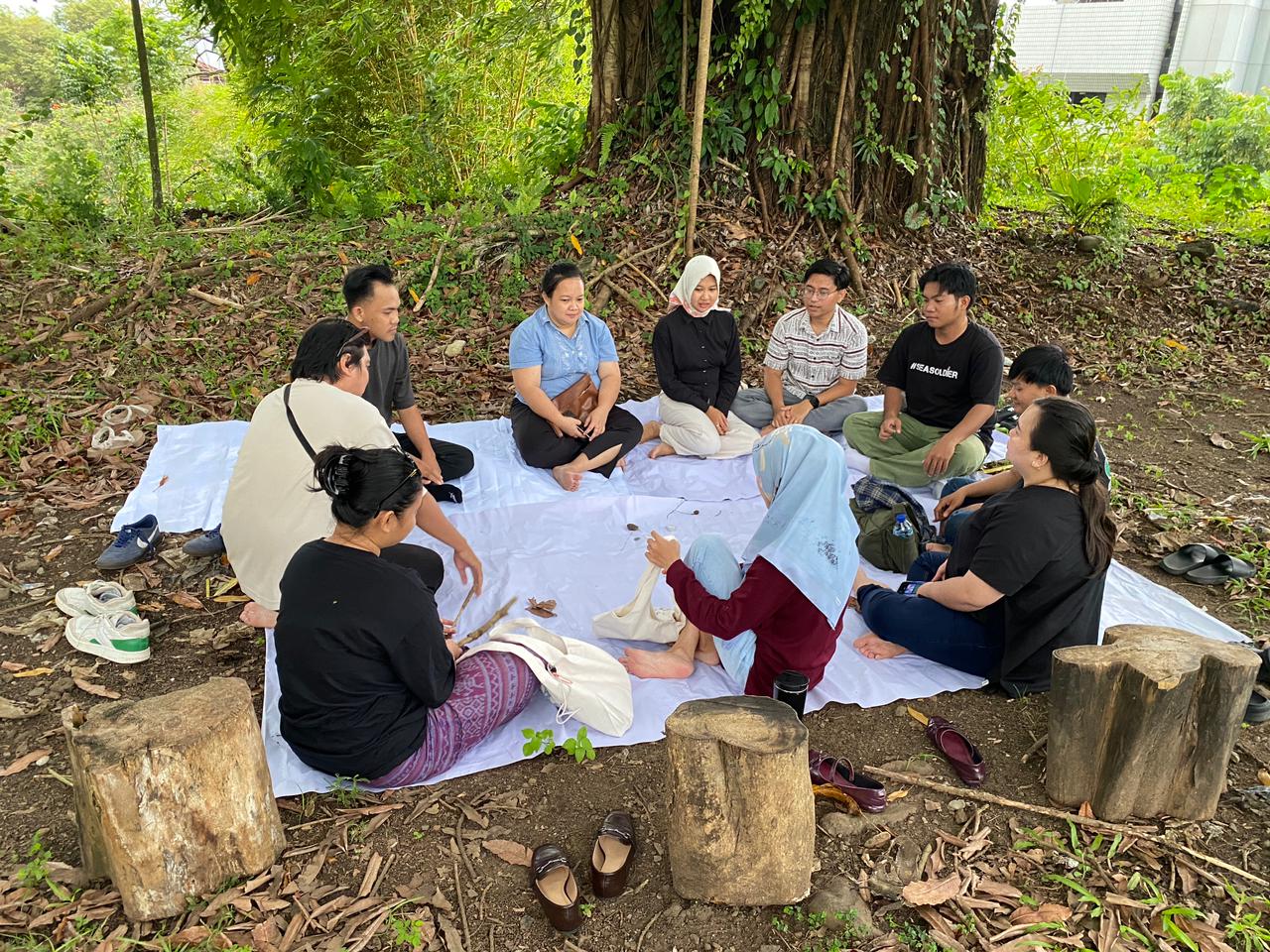
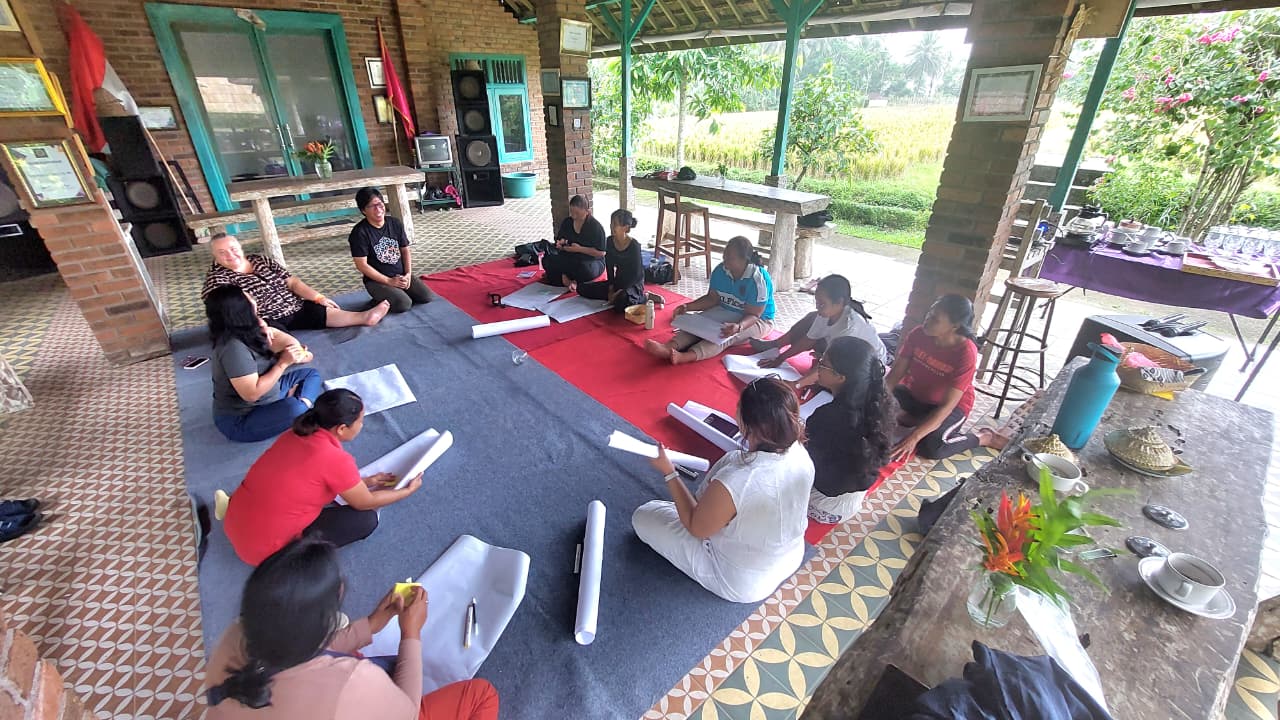
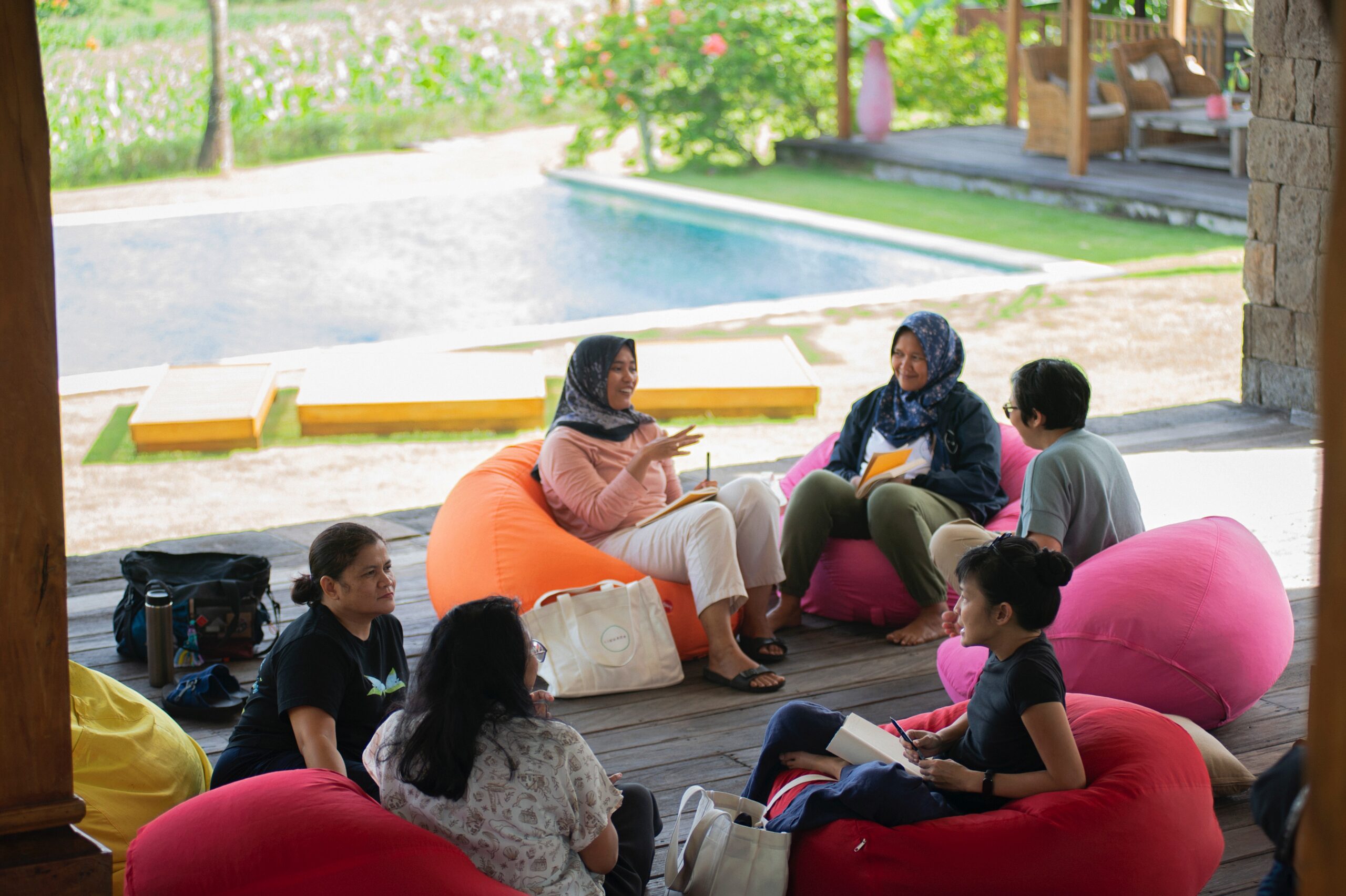
Group discussions with participants also revealed something that is often overlooked in conversations about social movements: the importance of joy as collective energy that sustains long-term struggle.
Keeping the Conversation Alive
Toward the end of the dialogue, one question repeatedly emerged from participants:
What happens after this conversation?
The question reflects a growing need for spaces of reflection across generations, not only to talk about leadership, but to nurture the sustainability of movements themselves.
As the dialogue reminded us, regeneration is not a one-time event. It is an ongoing process that requires spaces for shared learning, the courage to listen, and a collective commitment to care for one another.
*(Laras Novalia)